Ridesharing services like Uber and Lyft have become a part of daily life for many in Reno and across Northern Nevada. They offer a convenient way to get to the airport, enjoy a night out downtown, or commute to work. While these services are generally safe, accidents happen. When they do, the path to getting compensation for your injuries can be much more complicated than in a typical car crash, which is why speaking with a car accident lawyer early on can help you understand how these cases differ.
If you were injured in a collision involving a rideshare vehicle, you might be wondering about filing a lawsuit after an Uber or Lyft car accident. The short answer is yes, it is possible to seek financial recovery through a lawsuit. However, determining who is responsible and which insurance policy applies depends heavily on the driver's status at the exact moment of the crash.
Key Takeaways about Filing a Lawsuit after an Uber or Lyft Car Accident
- Determining who is legally responsible in a rideshare accident depends on whether the driver was offline, waiting for a ride request, or actively transporting a passenger.
- Uber and Lyft are required by Nevada law to carry significant insurance policies, but this coverage only applies in specific circumstances.
- Individuals injured in a rideshare crash, including passengers, pedestrians, cyclists, and occupants of other vehicles, may be able to seek compensation.
- The types of compensation available can cover medical expenses, lost income, and pain and suffering.
- Nevada has a specific time limit, known as the statute of limitations, for filing a personal injury lawsuit, making it important to understand your rights promptly.
Who is Liable in a Nevada Rideshare Accident?

In any personal injury case, the first question is about “liability.” This legal term simply means determining who is legally and financially responsible for the harm that was caused. In accidents involving Uber or Lyft, liability isn't always straightforward because it changes based on what the driver was doing in the app.
Nevada law, specifically under NRS Chapter 706A , which governs Transportation Network Companies (TNCs), sets out clear rules for these situations. There are generally three scenarios that determine which insurance policy is responsible for covering damages:
- The Driver Was Offline: If the rideshare driver was not logged into the Uber or Lyft app at the time of the collision, they are considered just another private citizen. In this case, any claim for injuries would be made against the driver’s personal car insurance policy, just like in any standard car accident. Uber and Lyft’s corporate insurance would not be involved.
- The Driver Was Online and Waiting for a Ride Request: This is where things get more complex. If the driver was logged into the app but had not yet accepted a ride request, they are in a sort of middle ground. The driver's personal insurance is still the primary source of coverage. However, many personal auto policies have exclusions for commercial activity. If the driver's policy denies the claim, Uber and Lyft are required to provide contingent liability coverage.
- The Driver Was En Route to a Pickup or Transporting a Passenger: Once the driver accepts a ride request and is on the way to pick up a passenger or has the passenger in the vehicle, the TNC’s full commercial insurance policy is in effect. This provides significant coverage for anyone injured in a crash caused by the rideshare driver.
These distinctions are critical because they dictate which insurance company you will be dealing with and the amount of coverage that is available to compensate you for your injuries.
Understanding Uber and Lyft's Insurance Policies
Because rideshare driving is a commercial activity, Nevada law requires TNCs like Uber and Lyft to carry substantial insurance policies to protect the public. These policies are designed to fill the gaps left by a driver’s personal insurance. The level of coverage depends entirely on the driver's status, as discussed above.
Here is a general breakdown of the insurance coverage that is typically available:
- When the Driver is Waiting for a Request: If the driver’s personal insurance doesn’t apply, the TNC’s contingent policy must provide at least $50,000 per person for bodily injury, $100,000 per accident for bodily injury, and $25,000 per accident for property damage.
- When the Driver is on an Active Ride: From the moment a ride is accepted until the passenger exits the vehicle, the TNC must provide at least $1 million in third-party liability coverage. This policy covers injuries to passengers, people in other vehicles, pedestrians, or cyclists if the rideshare driver is at fault.
- Uninsured/Underinsured Motorist (UM/UIM) Coverage: During an active ride, TNCs must also provide at least $1 million in UM/UIM coverage. This important policy can provide compensation if you are injured by an at-fault driver who has no insurance or not enough insurance to cover your damages, including in a hit-and-run crash.
These large insurance policies are a key reason why filing a lawsuit after an Uber or Lyft car accident can be a viable path for injured people. However, accessing this coverage often requires proving the driver’s status and demonstrating that they were the one responsible for the collision.
Common Causes of Uber and Lyft Accidents in the Reno Area
Rideshare drivers face the same risks as any other driver on the road, but certain factors unique to their job can increase the likelihood of a crash. In the Reno-Sparks area and throughout Northern Nevada, heavy traffic, seasonal tourists, and diverse road conditions can create challenging driving environments.
Some common causes of rideshare accidents include:
- Distracted Driving: This is a major concern with rideshare drivers. They are constantly interacting with their phones to accept rides, check GPS directions, and communicate with passengers.
- Driver Fatigue: To maximize their earnings, some rideshare drivers work very long hours, sometimes in addition to another job. Fatigued driving can be just as dangerous as drunk driving, impairing judgment and slowing reaction times.
- Speeding or Aggressive Driving: The pressure to complete rides quickly to pick up the next passenger can lead drivers to speed or make aggressive maneuvers, especially in the busy traffic on I-80 or through Carson City.
- Unfamiliarity with the Area: A driver might be new to the area and not know the local traffic patterns or challenging roads, such as the winding mountain passes around Lake Tahoe.
- Picking Up or Dropping Off in Unsafe Locations: Drivers may stop in unsafe places, like bike lanes or high-traffic areas, to pick up or drop off passengers, creating a hazard for others on the road.
When these behaviors lead to a crash, the driver can be found negligent, which is a key component in a successful personal injury lawsuit.
What Kind of Compensation Can You Seek in a Rideshare Accident Lawsuit?

If you have been injured in an accident caused by a negligent rideshare driver, you have the right to seek compensation for the various losses you have suffered. In the legal world, these losses are referred to as “damages.” A lawsuit aims to recover funds to cover both your financial and personal losses.
Damages are typically broken down into two main categories:
- Economic Damages: These are the tangible, out-of-pocket financial losses that can be calculated with bills, receipts, and pay stubs. They include things like past and future medical treatment, lost wages from being unable to work, diminished future earning capacity if your injuries are permanent, and the cost to repair or replace your vehicle.
- Non-Economic Damages: These damages are meant to compensate you for the personal, non-financial ways the accident has affected your life. They are more subjective but are just as real. Examples include pain and suffering, emotional distress, loss of enjoyment of life, and permanent disfigurement or disability.
In the tragic event that a rideshare accident results in the death of a loved one, eligible family members may be able to file a wrongful death lawsuit to seek compensation for their losses, such as funeral expenses, loss of financial support, and loss of companionship.
A Note on Nevada's Comparative Negligence Rule
It’s important to know that Nevada follows a "modified comparative negligence" rule. According to this rule, you can still recover damages even if you were partially at fault for the accident, as long as your share of the fault is not more than 50%. Your final compensation award will simply be reduced by your percentage of fault.
For example, if you are awarded $100,000 but are found to be 10% at fault, you would receive $90,000.
Steps to Take After an Uber or Lyft Accident to Protect Your Rights
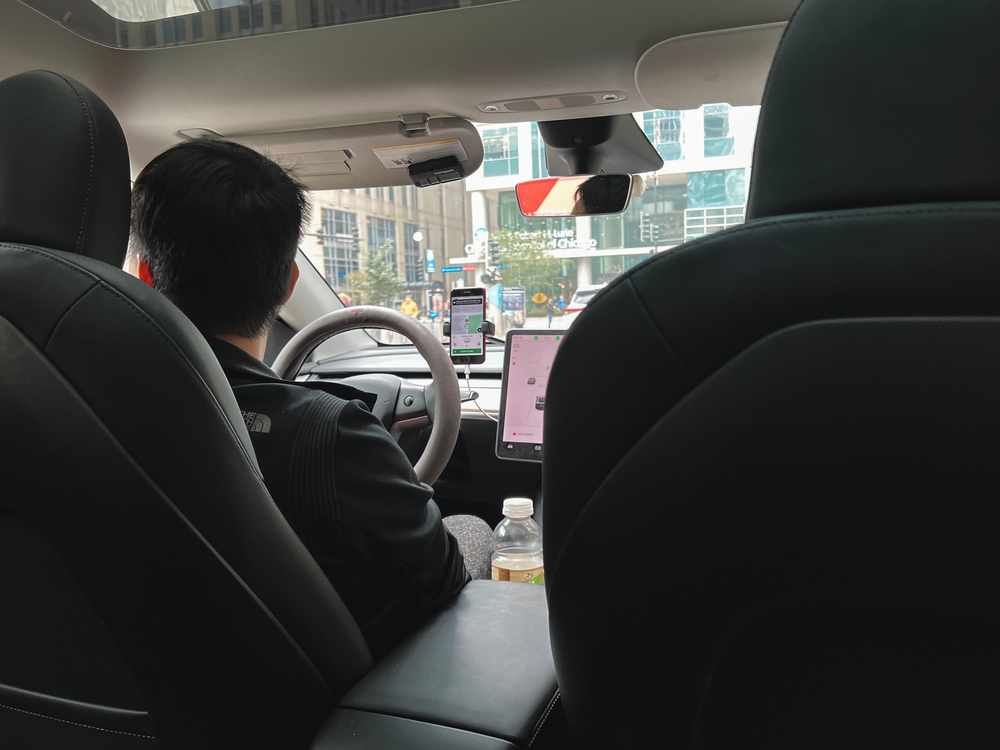
After you have received emergency medical attention, the actions you take can have a significant impact on your ability to file a successful claim. The insurance companies involved—whether it's the driver's, Uber's, or another party's—will begin investigating immediately, and their goal is to pay out as little as possible.
Here are a few steps to consider to protect your interests:
- Preserve All Evidence: Your ride history in the Uber or Lyft app is a critical piece of evidence that proves you were on an active ride. Take a screenshot of it. Also, keep all medical records, bills, receipts for prescriptions, and any documentation from your employer showing your lost wages.
- Document Everything: As soon as you are able, write down every detail you can remember about the accident. What was the weather like? What did you see and hear? What did the driver or others say? Memories can fade quickly, so a written record is invaluable.
- Be Cautious with Insurance Adjusters: You will likely get a call from an insurance adjuster very quickly. You are not obligated to give them a recorded statement. These statements can be used to find inconsistencies in your story and undermine your claim. It is often wise to speak with an attorney before talking to any insurance representatives.
- Stay Off Social Media: Avoid posting details about the accident, your injuries, or your recovery on social media. Insurance companies frequently search claimants' social media profiles for photos or posts that they can use to argue that the injuries are not as severe as claimed.
Most importantly, be aware of Nevada's statute of limitations. For most personal injury cases, state law gives you two years from the date of the accident to file a lawsuit. If you miss this deadline, you will likely lose your right to seek compensation forever.
Filing a Lawsuit After an Uber or Lyft Accident FAQs
Here are answers to some common questions that arise after a collision involving a rideshare vehicle.
If you were a pedestrian or cyclist hit by an at-fault rideshare driver, your rights are similar to those of an injured passenger or someone in another car. You can file a claim to seek compensation for your injuries. The applicable insurance policy (the driver's personal policy or the TNC's commercial policy) will depend on the driver's status in the app at the time of the incident.
Generally, rideshare drivers are classified as independent contractors, not employees. This classification often protects companies like Uber and Lyft from being sued directly for their drivers' negligence. However, there can be exceptions, such as if the company was negligent in its hiring process (e.g., they failed to conduct a proper background check). Most lawsuits will be directed at the driver, with the TNC's insurance company responsible for paying the claim.
If another driver caused the crash that injured you while you were a passenger in a rideshare vehicle, your primary claim would be against that driver's insurance policy. If that driver is uninsured or does not have enough insurance to cover your damages, the $1 million in Uninsured/Underinsured Motorist (UM/UIM) coverage provided by Uber or Lyft during your ride should be available to you.
Yes, they can. Your health insurance will likely be used to pay for your initial medical treatment. If you have Medical Payments (MedPay) coverage on your own auto insurance policy, you may be able to use it to cover health insurance deductibles and copays, regardless of who was at fault.
The timeline for resolving a rideshare accident claim can vary widely. A straightforward case might settle in a few months, while a complex case involving serious injuries or disputed liability could take a year or more, especially if a lawsuit needs to be filed. The goal is to reach a fair settlement, but it is important not to rush the process before the full extent of your injuries and future medical needs are known.
Speak With Our Reno Personal Injury Team Today

Filing a lawsuit after an Uber or Lyft car accident involves complex insurance questions and determined opposition from large corporate legal teams. You do not have to face this process by yourself. At Viloria, Oliphant, Oster & Aman L.L.P., our dedicated personal injury attorneys have been serving individuals and families across Northern Nevada for decades. We are a team of experienced trial lawyers who believe in our clients and in the work we do for them.
We understand the tactics that insurance companies use to deny or devalue claims, and we have the resources and resolve to hold negligent parties accountable. Our philosophy is simple: take care of our clients. We return your calls, answer your questions, and develop a legal strategy designed to help you secure the full compensation you deserve. When you call, we answer. If you or a loved one has been injured in a rideshare car accident, contact us today at (775) 284-8888 or through our online form for a free, no-obligation consultation. Let us hear your story and explain how we can help you move forward.